Urban Entertainment Center
This project aimed to create a low-cost, sustainable community school for children from marginalized backgrounds in rural Haryana, India. I worked on designing an inclusive learning environment that supports access to education while responding to local social and environmental contexts.
Urban Design
Community Architecture
Architectural Design
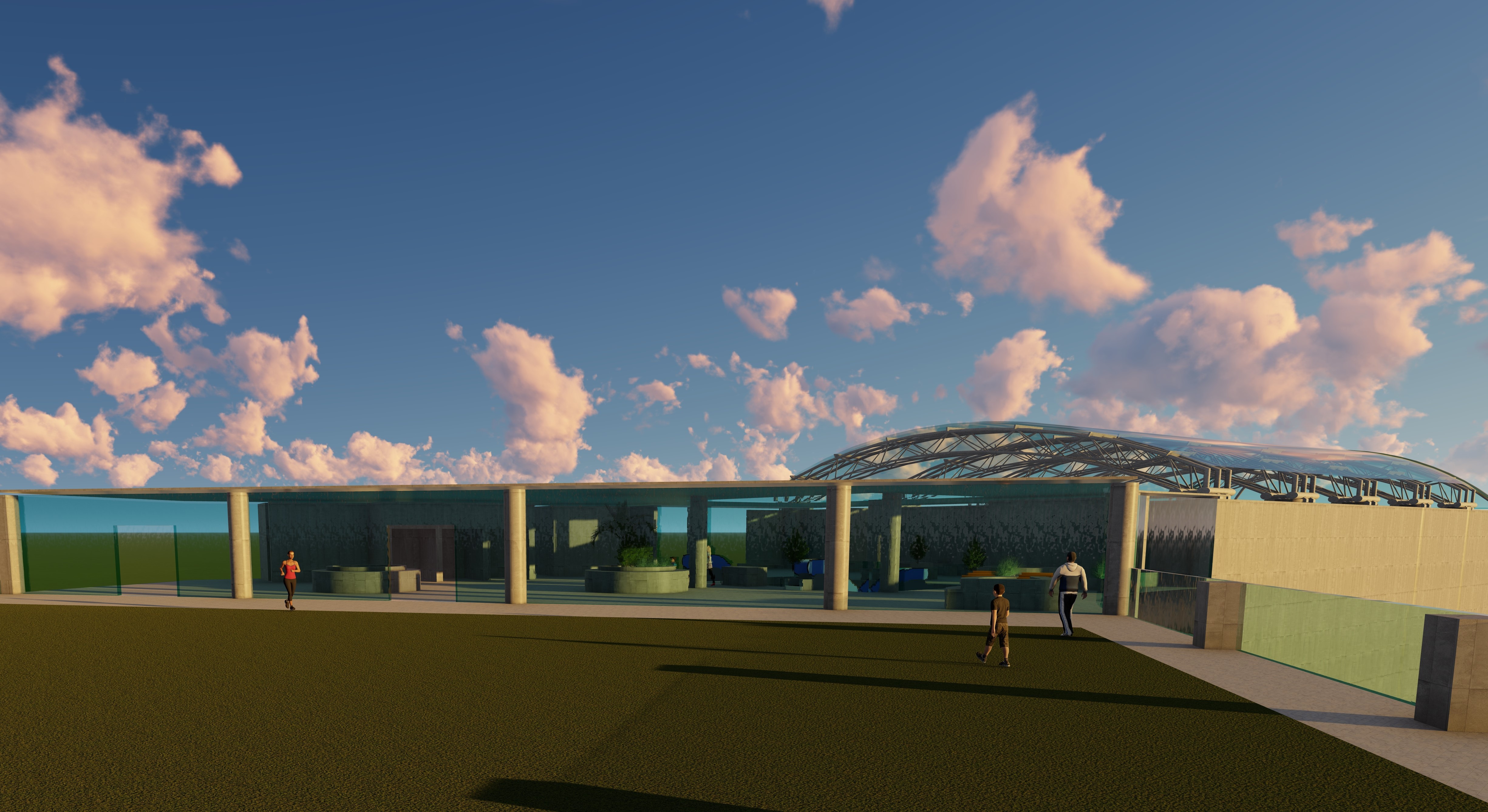
Project Overview
Client: Municipal Corporation of Greater Mumbai
Site: Mumbai, India with a site area of (~7.4 acres)
Timeline: 6 months (2029)
My Role: User Research, Architectural Design, MasterPlanning, Spatial Branding, Interior Design
Mumbai’s core faces slowing growth and declining quality of life. The Mumbai-Thane junction offers an opportunity to activate underutilized areas, enhance public life, and create spaces where work, play, rest, and connection coexist.
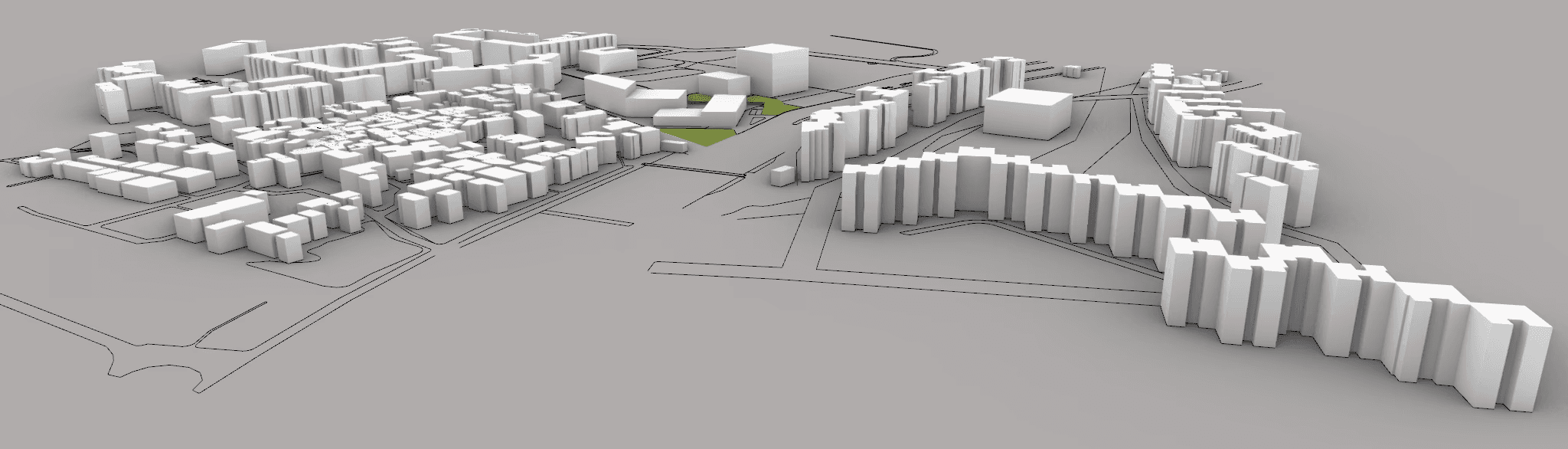
Problem Space
Mumbai’s core is grappling with slowing growth, declining quality of life, and over-saturation, creating a need for new development strategies. The city’s northern edge, at the Mumbai-Thane junction, remains underutilized. This site presents an opportunity to reimagine the area as a gateway that enhances public life, activates neglected spaces, and integrates work, play, rest, and social connection.
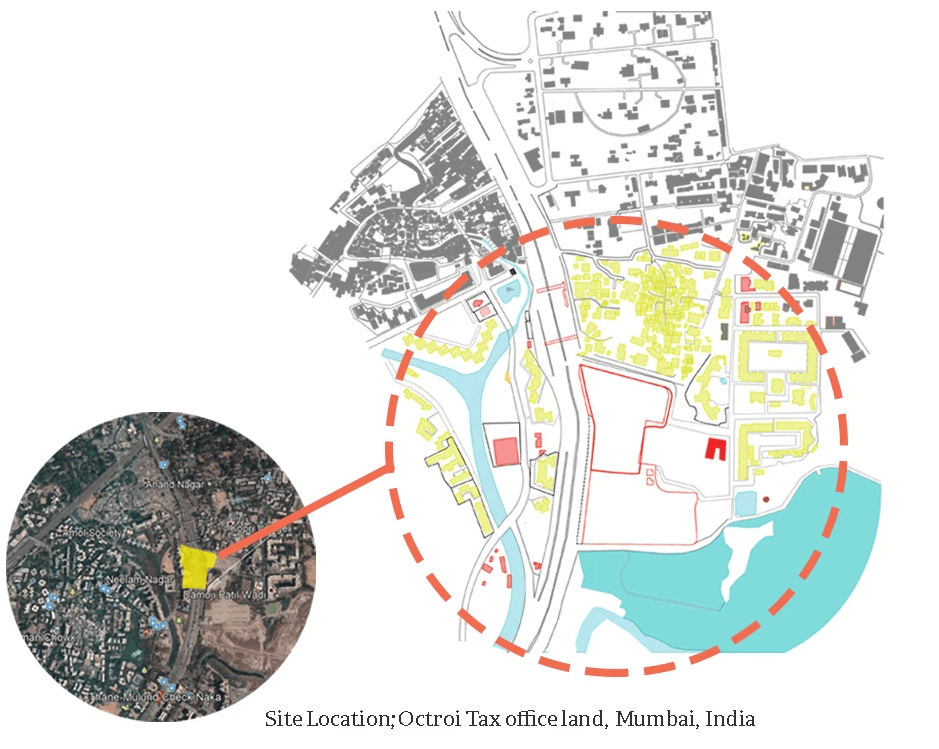
Design and Research Schema
The design envisions a seamless integration of shopping, leisure, and community engagement within a vibrant urban environment. The multi-story commercial block is thoughtfully programmed to serve a wide demographic through diverse, layered experiences.

A walkable social hub for that encourages community interaction
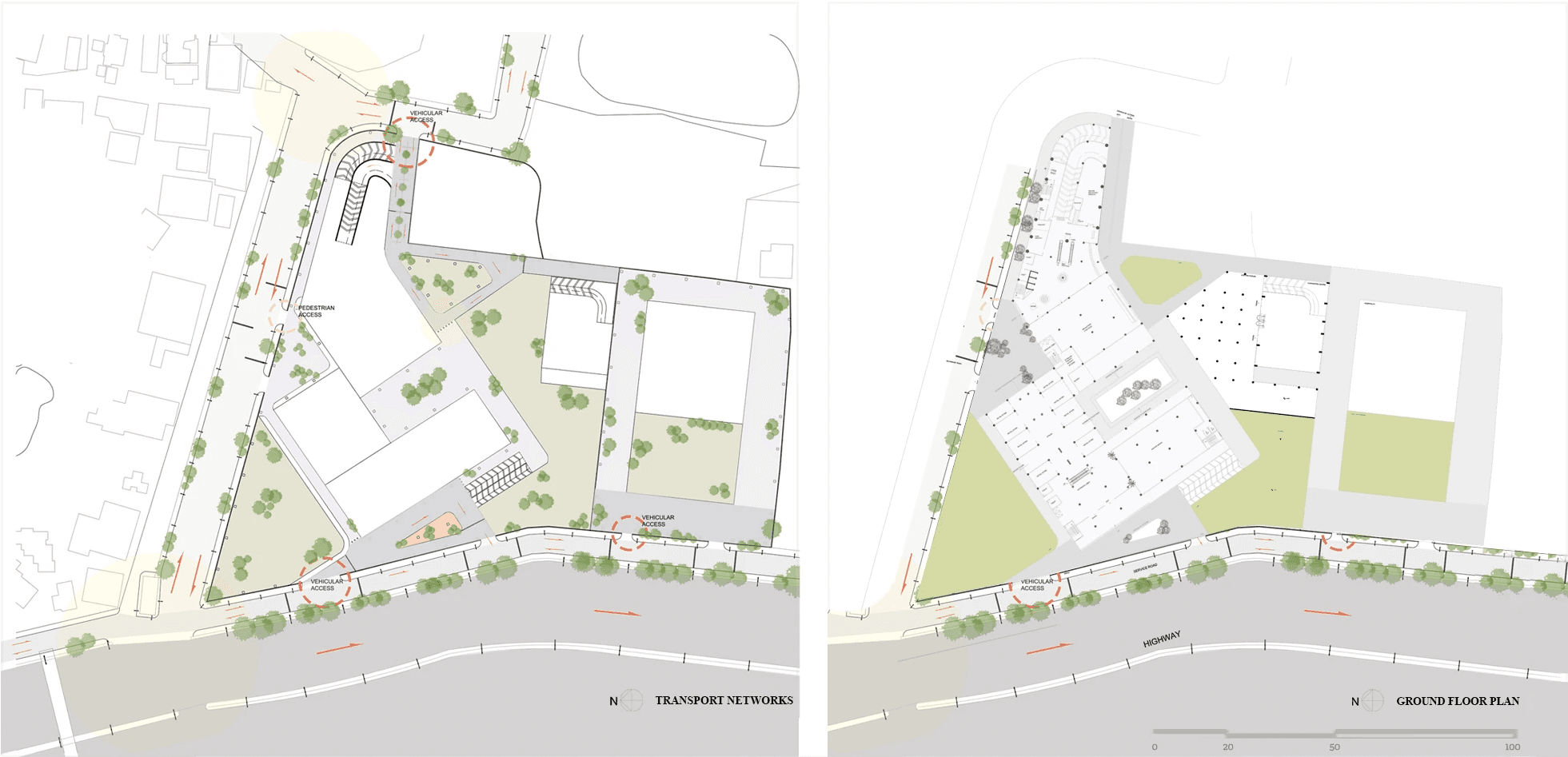
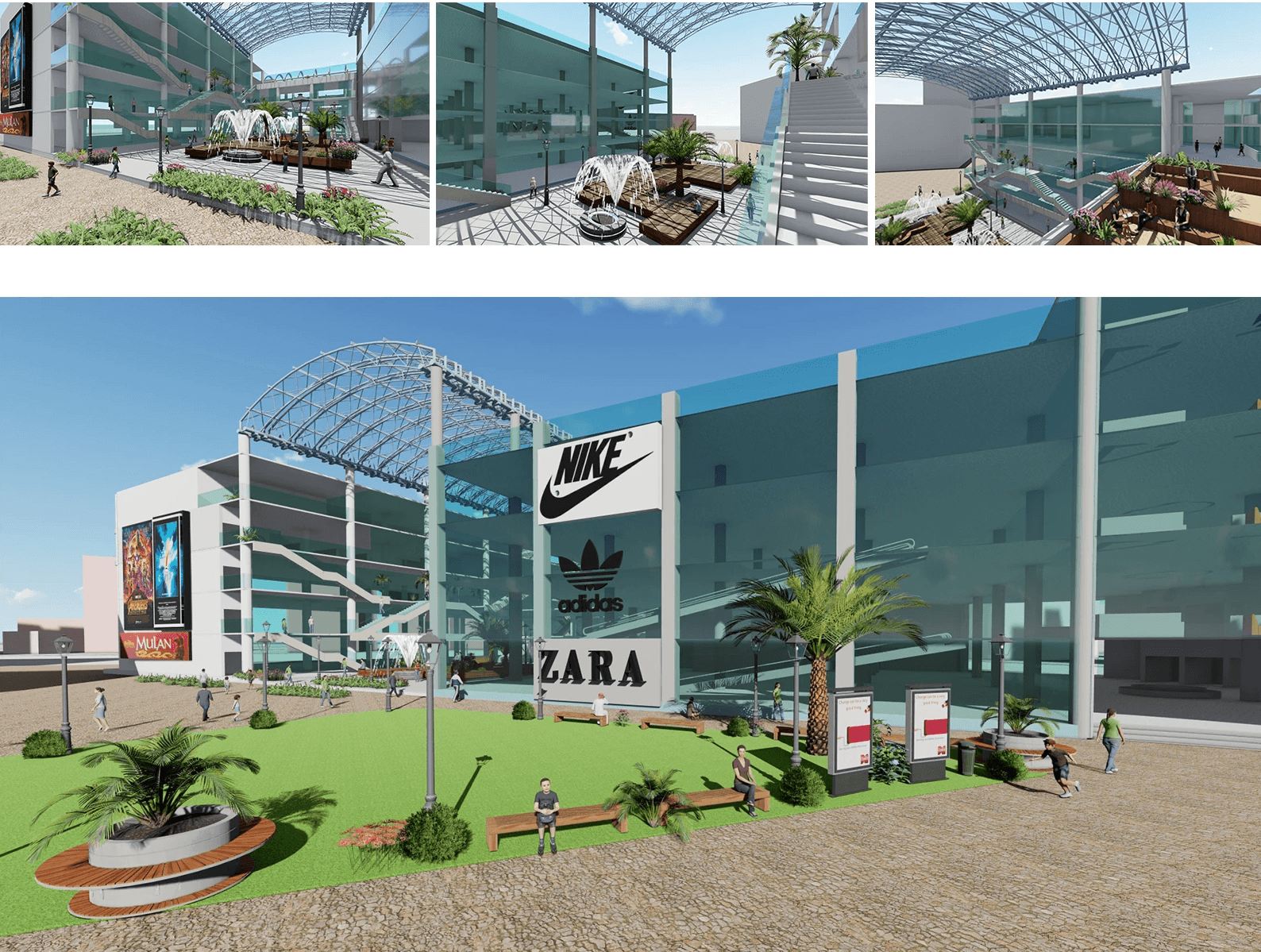
The master plan emphasizes maximum road frontage for commercial spaces and a fully walkable campus, with vehicular access limited to the periphery. At its core is a sunken plaza—an open-air social hub for gatherings and events. Lush greenery weaves through the plaza and buildings, creating a hybrid of public park and marketplace that encourages community interaction and reimagines retail as a social, outdoor experience.
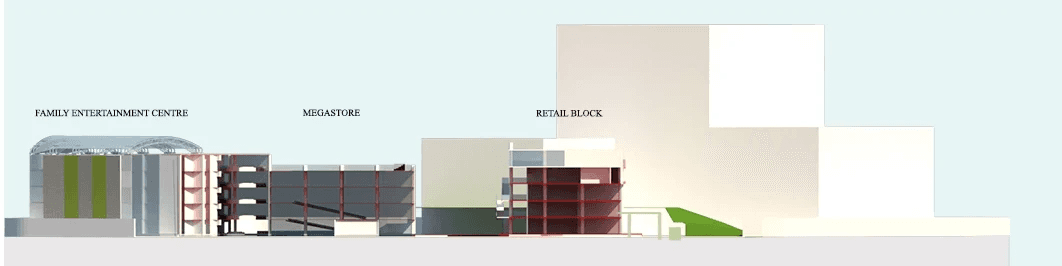
Interior Design Approach- A green retail hub
Mega Retail Stores: Anchor the space and ensure steady visitor flow
Terrace Garden: Provide green respite and communal gathering areas
Family Entertainment Center: Engage all age groups through play and recreation
Experiential Rooms: Host immersive brand activations, pop-ups, and art installations
Indoor Sports Arena: Encourage active lifestyles within an urban setting
Anchor Restaurants & Cafés: Create culinary destinations and social hubs
Diverse Brand Mix: Curate retail offerings to appeal to a broad audience
This strategy positions interiors as more than retail—they become catalysts for social interaction, leisure, and urban vitality.
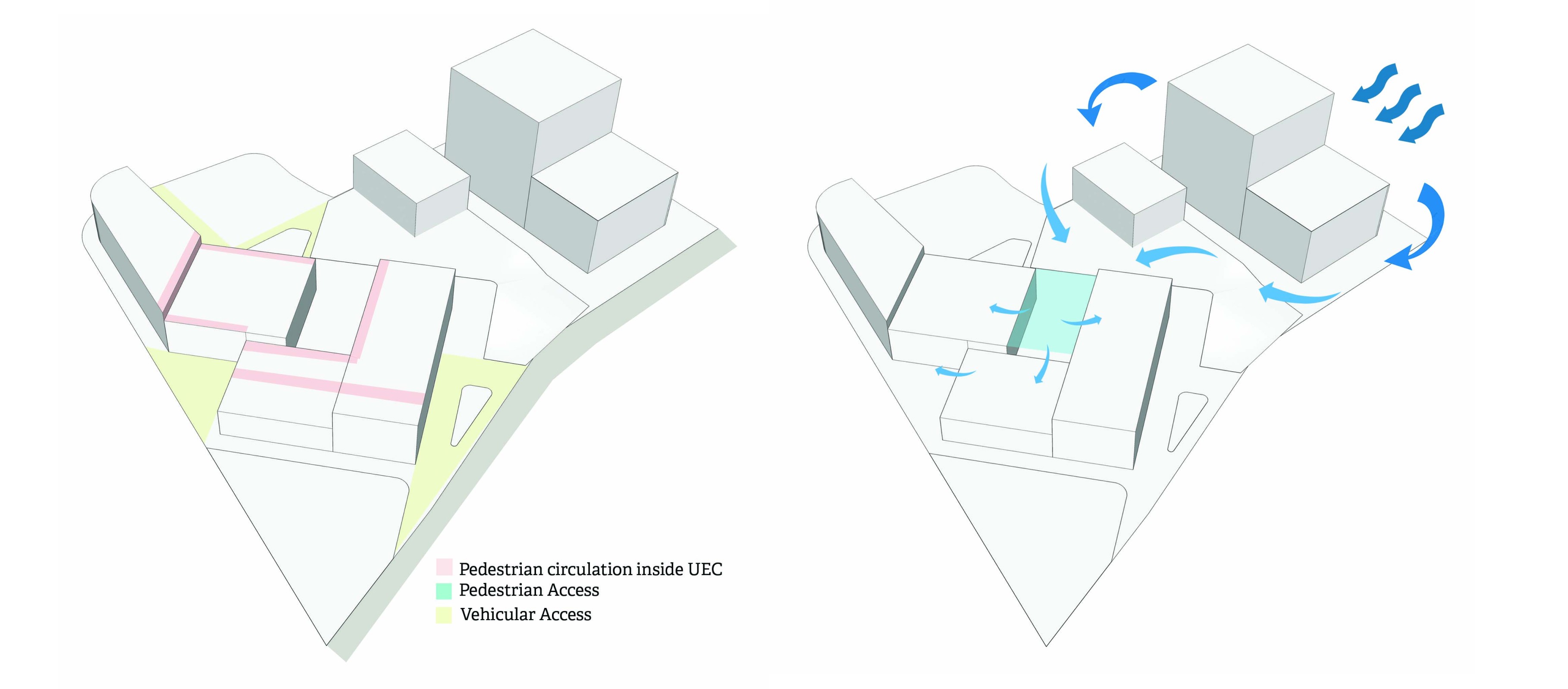
The central atrium promotes natural air circulation and creates a pleasant open-air court, while vehicular access is restricted to the site’s perimeter to maintain a pedestrian-friendly environment.
Reflection
The Urban Entertainment Center (UEC) is an inclusive hub for entertainment, leisure, and sports, drawing visitors to the satellite city. It eases metro congestion, drives economic growth, boosts tourism, and curbs unplanned development in the city core.
Ready to build something amazing?
I'd love to connect with you!